I’m knee-deep in clinic as a third-year student of acupuncture and Chinese herbal medicine and I get the “does this work?” question all the time in clinic.
My answer: when it’s done correctly, yes.
In fact, I’ve found that when treatment isn’t producing results, it’s rarely because acupuncture “doesn’t work.” Most often, it comes down to an incorrect diagnosis, a misinformed treatment strategy, or poor technical execution.
I’m wrapping up work for a patient I’ve been treating since the fall of 2025 who’d been suffering from chronic low back pain, plantar fasciitis, and insomnia—conditions that are common, debilitating, and often difficult to resolve.
I’m summarizing this case not because I’m shocked that traditional Chinese medicine (TCM) has effectively resolved this patient’s conditions (I see these kinds of results in clinic all the time) but to motivate and excite pre-clinic TCM students in their study of this beautiful medicine.
To all of you looking ahead to clinic my message is: keep going, keep going, keep going. Your patients need you!
While I’m at it I should say that this post is very TCM-wonky. If you’re in acupuncture school now you’ll get it; if not, some of the Chinese pattern diagnosis concepts will sound utterly bizarre, as will the treatment principles, acupuncture points and herbal therapy summary.
If you’re confused and you want me to unpack any of this just drop questions in the comment section and I’ll respond in kind.

Because we look at the whole person in Chinese medicine, the patient’s underlying constitutional concerns are just as important to the treatment strategy as the pain symptoms.
A quick flash of this patient’s Eight Principles Diagnosis showed the following patterns:
Qi and Blood Stagnation in the Channels: Common in pain conditions, the key symptoms here are dull, achy and fixed pain (along the Bladder channel) that’s worse in the morning and better with movement; and wiry/slippery pulses
Kidney Yin Deficiency with Empty Heat: Key symptoms include chronic low back pain; warm/hot sensations at night; thirst with little desire to drink; and an inability to stay asleep at night
Spleen Qi Deficiency: Symptoms include heaviness of the limbs; a swollen tongue with scalloped edges; and the wiry/slippery pulses
Therefore, the treatment principles are as follows:
- Regulate qi and blood in the affected channels to resolve pain
2. Tonify Kidney Yin to address deficiency and support tissue repair
3. Clear empty heat to calm the Shen and improve sleep quality
4. Strengthen the spleen to build strength throughout the body
From the Outside In: Acupuncture
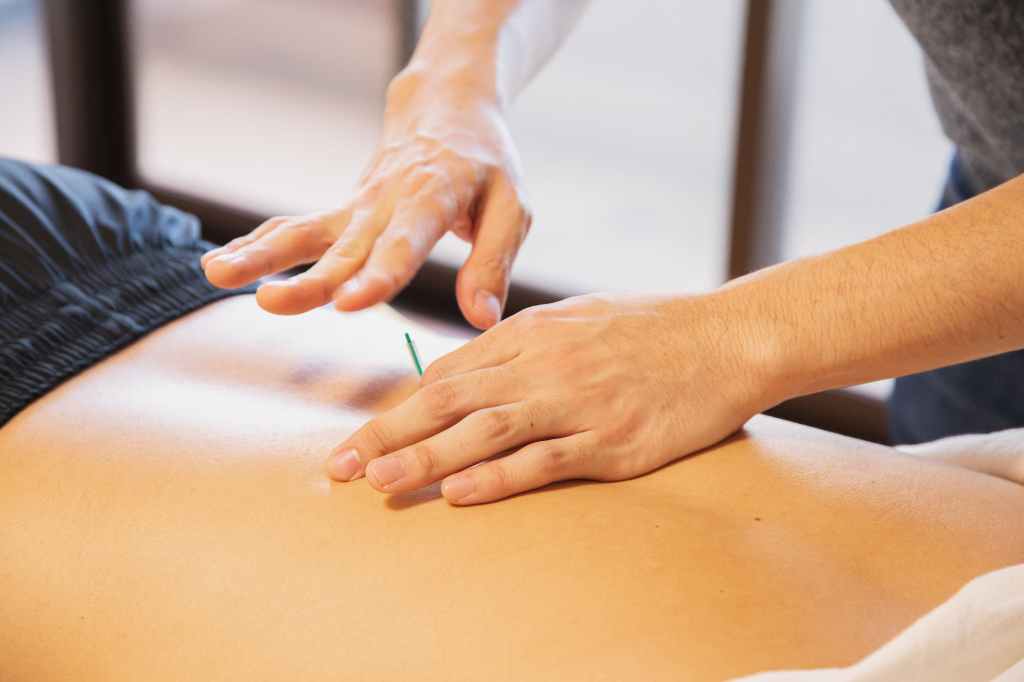
I treated this patient with a combination of local and distal points to address the root (constitutional weaknesses) and branch (pain, insomnia) symptoms.
The root points included: ST 36, SP 6, KD 2, KD 3, KD 6, KD 10, LU 5, and LU 6. The branch/distal points included: The Four Gates, Yao Tang Xue and BL 60.
Note for TCM-savvy readers: this patient’s back pain was treated without a single needle to the back. The magic of acupuncture!
From the Inside Out: Herbs
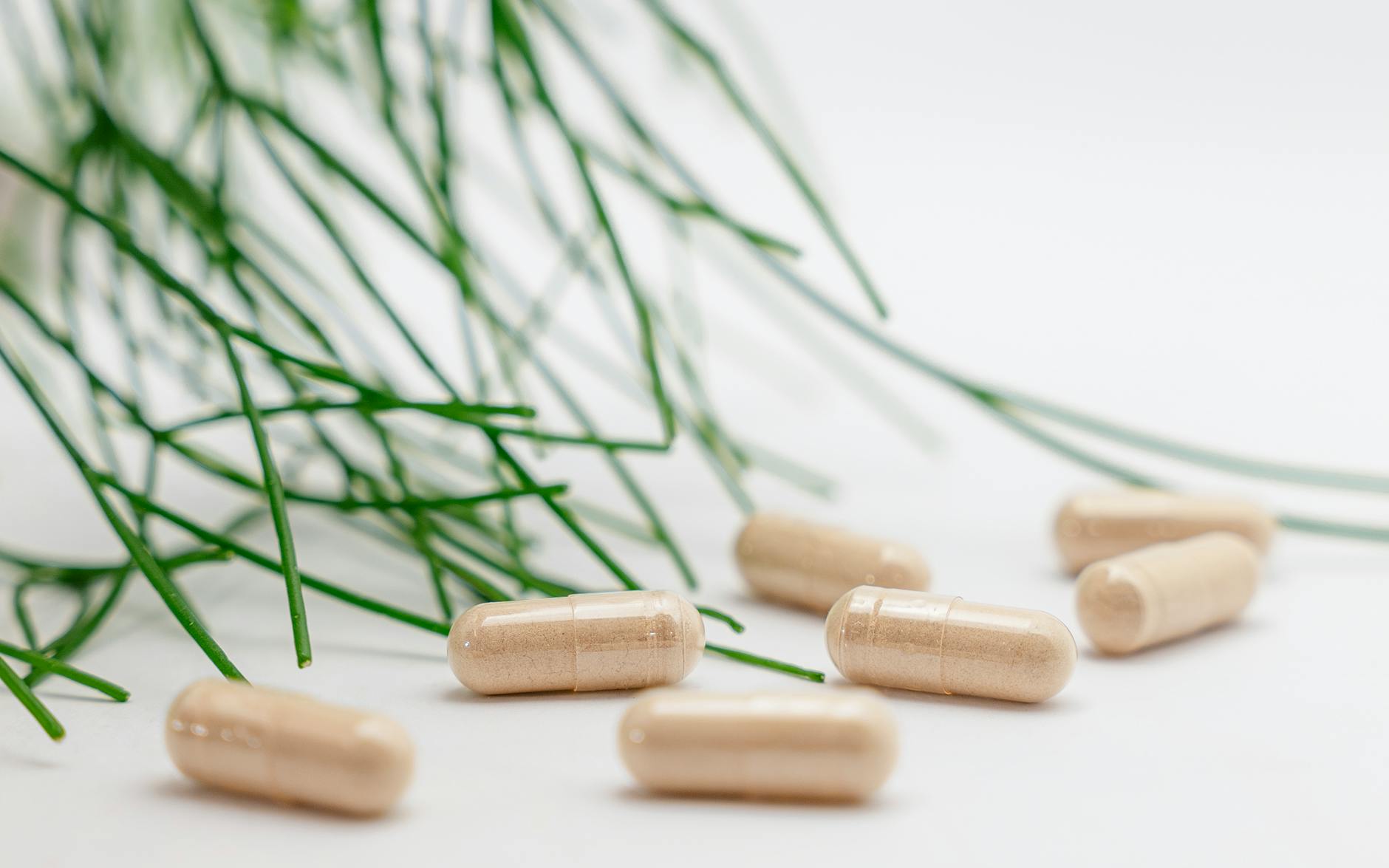
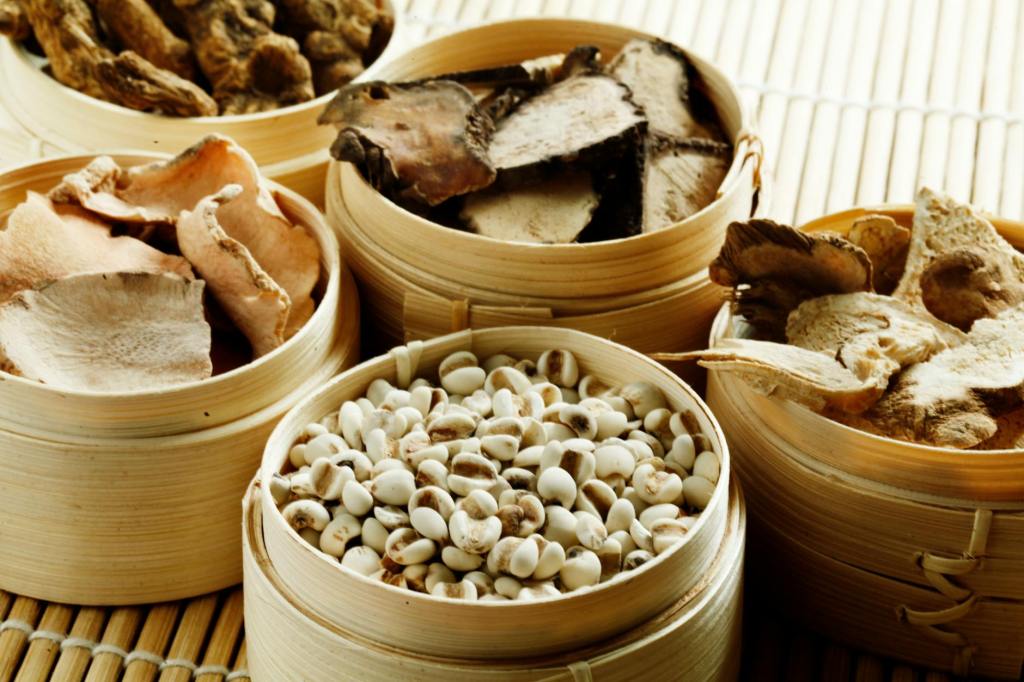
To tackle the Kidney Yin Deficiency with empty heat I prescribed Liu Wei Di Huang Wan, a powerful combination of herbs that tonify Yin, clear heat and improve sleep. I especially love the Blue Poppy-branded product and find this particular formula works exceedingly well in patent (read: pill) form.
So the question begs, how’d the patient do? In a word: marvelously.
Through a combined approach of acupuncture and Chinese herbal medicine, this patient experienced near-complete symptom resolution.
Acupuncture for the pain relief “kicked in” after just one treatment, and has led to progressively less pain since the fall, with the patient experiencing total resolution of the low back pain by end of year.
Herbal treatment had near-immediate impact as well, with the patient experiencing improved sleep by week two (the patient now reports sleeping through the night, every night).
As regards the empty heat, the patient informed me at week three that they now experience a “pleasant sense of coolness at night,” which aids their sleep.
When I hear these words–and witness these results–it reminds me again that I’m working at the intersection of science and magic. And I love that.
What continues to motivate me most in this work is not just symptom relief, but watching bodies restore function when the underlying pattern is correctly identified and treated. I LIVE for these moments.
I’m now in my penultimate semester and I’m preparing for licensure later this year. I look forward to sharing more clinical insights as my training continues.
Watch this space!
Disclaimer: no AI tools were used in the writing of this post

 Chinese Medicine by Day
Leave a comment