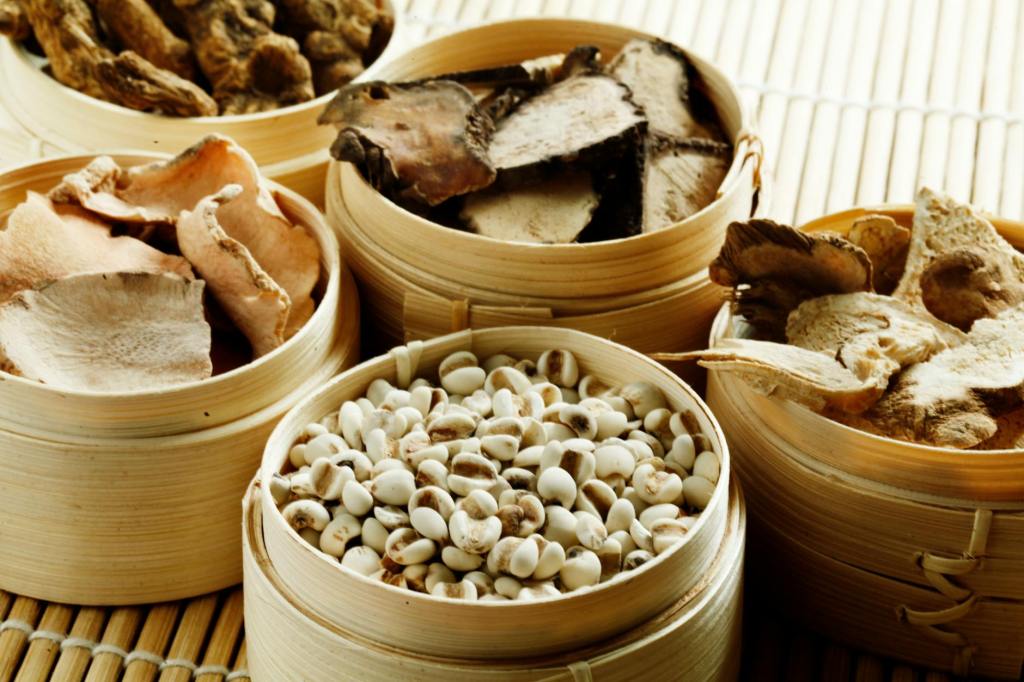
If you’re a new student of acupuncture and Chinese medicine, you’re probably asking: how on Earth can I learn the actions of effects of hundreds of acupuncture points as well as indictions for about as many medicinal herbs?
It’s a question I ask myself every day as a second year student.
But rest assured: I’ve got tips to ease your study and I’m gonna share ’em in hopes that it helps you.
But first a quick catch-up as it’s been a few weeks months since my last entry and you’re probably wondering what the heck happened to me.
In short: I’ve been busy. We had a baby (!), our first, who is absolutely amazing. The whole experience is as transformative and immersive as every annoying parent will tell you. I’ll probably write more about the miracles (and landmines) of parenting in future posts but, suffice to say, I’ve had precious little time to write.
I’m also steadily making my way through the acupuncture and Chinese medicine (MAC/CHM) program at the New England School of Acupuncture and I’m (mostly) loving every minute of it.
As I write this post I’m about to start the spring semester of my second year. This is a crazy exciting semester because I–along with my entire cohort–am so ready to transition from assisting licensed acupuncturists to treating our own patients beginning next summer.
By the end of January I’ll have logged more than 180 assisting hours. I’ve learned so much–I’ve done so much–and I feel confident and prepared heading into my own clinics. I shared tips about what to look for when beginning your own journey of assisting in a previous post and highly recommend checking that out.
I cannot express how excited I am to meet my own patients, interpret tongues and pulses and patterns, form diagnoses and land on a pool of points–and point prescription–to help them restore balance and health.
This, along with our new son, is my why. I want to heal the world, one needle and herbal formula at a time. That I’ll soon be in clinic doing just that inspires me beyond measure. Pinch me!
The semester just completed included my second (and, mercifully, last) single herbs class, during which we focused mostly on tonics: herbs that tonify Qi and blood; herbs that tonify Yang; and herbs that tonify Yin. We also covered herbs that transform dampness, relieve food stagnation, regulate Qi and blood, expel cold; herbs that calm the spirit, open the orifices, extinguish wind (to stop tremors), and expel parasites.
In short: it’s a LOT of herbs–well over 100 individual plant components–and remembering the indications and entering channels for all of these herbs was (and remains) a daunting task. But stay with me, cause I’ve got recommendations for you coming up.
I also completed my first of two Chinese Etiology & Pathology classes, essential knowledge as we prepare to treat patients this summer in clinic. We covered all of the major patterns that patients are likely to present with: Qi and blood stagnation that causes pain, blood deficiency of all sorts; organ and channel pathologies involving the liver, stomach, spleen, gallbladder, heart and so on.
It’s too much to cover here but my best advice for any new student of Chinese medicine is to pay very close attention during your first-year foundations classes. I recapped some of these classes during my first year/second semester review, and I’d recommend reading that for inspiration.
And if you haven’t already, make your best effort to work through Giovanni Maciocia’s Foundations of Chinese Medicine. If you can understand even some of the macro concepts covered in this text you will be well set for your Etiology & Pathology classes. I promise that reading this text is well worth the effort.
Other classes this past term included Acupuncture Integrated Pain Management, where we learned the pathology–and associated acupuncture treatment strategies–for common pain disorders of the neck, shoulder, wrists and hands. And, because I’m studying herbs, the biomed classes never end: I had to take chemistry and, as you might suspect, I hated it about as much as you likely will.
But about them herbs…
How to Learn Chinese Herbs Without Going Insane
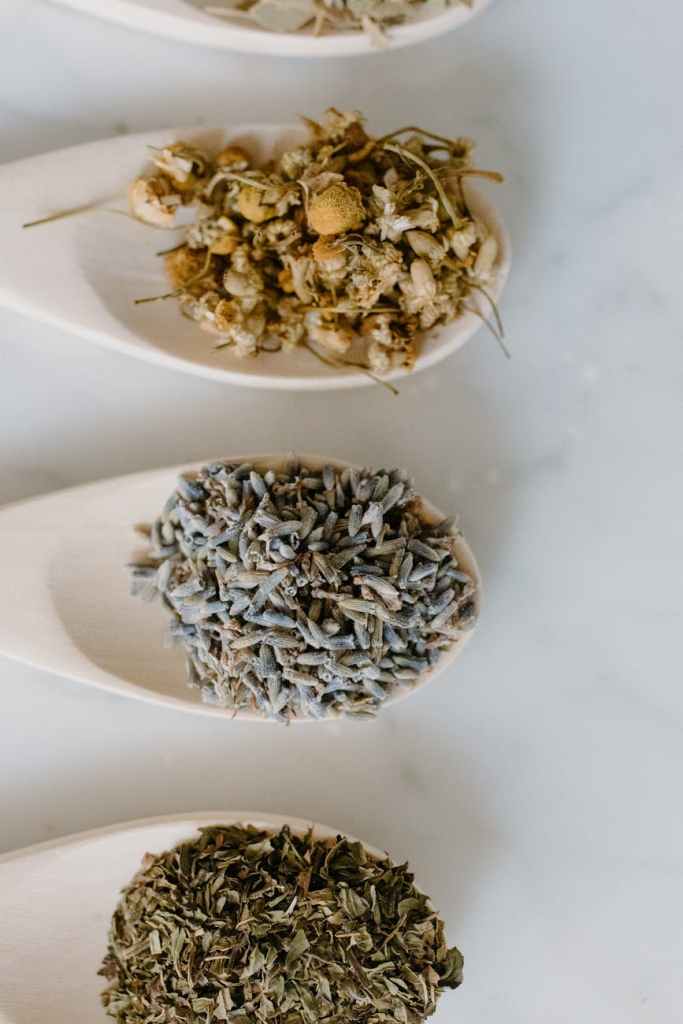
Look: there’s no getting around it. You’re going to have to spend an inordinate amount of time studying individual herbs to understand their channel entry and their primary actions and indications.
I estimate that I spent an average of one hour per week, outside of class time, organizing my notes, reviewing Quizlet flashcards and, well, talking to myself about herbs while walking outdoors. Should I have studied more? Yes. But I did what I could given the time I had available and my capacity for immersive study.
If I were to rewind the clock two semesters here’s what I’d focus on at the start of my intro to herbs class.
How to Learn Herbs
First, watch Nicholas Duchnowski How to Study Chinese Herbs video.
There really are no tips I could share that are as universally helpful as Nicholas’. The fact that he continues to publish so much high-quality, free TCM study-specific content to help us progress through classes, pass our boards and heal our patients just floors me.
In the video he recommends focusing on understanding herb categories (herbs that tonify Yang, herbs that release the exterior, etc.) as well as their functions and properties. And he’s got lots of terrific study tips that helped me organize my approach. So consider watching this video (several times over) your first to-do on your way to becoming an herbalist.
Second, use a spreadsheet to organize the essential information about each herb. Bensky’s Chinese Herbal Medicine: Materia Medica (3rd Edition) will probably be your primary text for your single herbs classes. It’s a gorgeous book and a wonderful reference. But, as with most contemporary Chinese medicine texts, it’s a very difficult read because there’s so much information about each herb that you won’t need to know for exams, and that–frankly–can wait for later. The key for now is to 1) make this text your own and 2) distill the information in your own “blender” so that it’s more immediately relevant to you.
I used a simple excel spreadsheet with separate columns for the herbs’ Pinyin and English names, channels entered and indications. I created a new tab for each herb category and by the end of Herbs II I had a complete database of the Chinese herbal materia medica, written in my own words and reduced to the bare essentials, which got me through.
Next, be really strategic about choosing acupuncturists you’ll assist. By the time you’re deep into single herbs study you’re also likely to have accrued more than 100 assisting hours. My program requires 180 hours of assisting before we step up to internship. I recommend assisting acupuncturists with thriving herbal practices so you see the herbs in action.
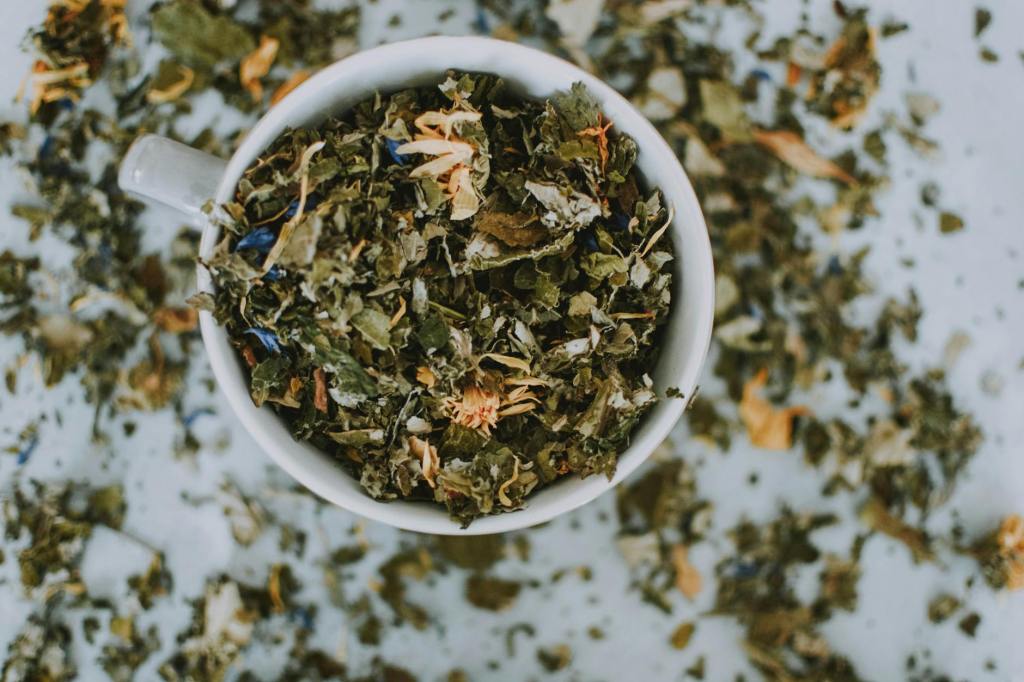
It’s through assisting that herbs have become real to me. I’ve listened in on many a conversation about why a particular formula is appropriate for a specific health challenge, and how herbs can be safely administered. And hearing patients report their own experiences with herbs (read: they almost always get markedly better) will absolutely motivate your study.
Acupuncturists you’ll assist generally share their knowledge freely because they know how demanding the study of herbs is–they’ve been through this, too. So make sure you’re banking hours with an acupuncturist who’s administering herbs to at least some of their patients. And if you’re lucky you may even be able to compound some of the formulas for them.
Finally, live herbs. Purchase herbs. Use them in your cooking. Take them as prepared formulas. Sit quietly and try to feel what they’re doing for you in your body.
An example from my own life, and a powerful reminder of the efficacy of herbal medicine, springs to mind: our two month old son is relatively colicky. He suffers from digestive upset that interrupts his sleep (as well as ours) and causes abdominal discomfort throughout the day.
It’s heartbreaking to see him in pain. But fortunately, the herbs are here to help.
My partner’s mother made a decoction using Xiǎo Huí Xiāng (Foeniculi Fructus, better known as fennel fruit), which we administered straight from the bottle. Xiǎo Huí Xiāng enters the liver, kidney, spleen and stomach channels to disperse cold and relieve abdominal pain.
The results were immediate and dramatic: he started eating with much less fuss, his digestion markedly improved–no more turning red and leg kicking only minutes after eating–and he’s been sleeping so much better. I’m so grateful for what this simple herb has done for our son, and of course I’m floored anew by the effectiveness of herbal medicine.
I hope this post serves as inspiration on your herbal medicine journey. I’ve wanted to quit herbs so many times during the course of the last two semesters but I’m glad I’ve hung on. There’s a whole world of patients who need this medicine now more than ever. And it’s up to us to safely and effectively provide it!
Till next time –


 Chinese Medicine by Day
Leave a comment