
As a first-year student of acupuncture and Chinese herbal medicine I’m still a relative newbie when it comes to the complex universe of pain, which the International Association for the Study of Pain (IASP) defines as:
“An unpleasant sensory and emotional experience associated with actual or potential tissue damage, or described in terms of such damage.”
We’re jumping feet-first into all things pain this semester with a class called Acupuncture Integrative Pain Management (AIPM), and as someone who ultimately wants to specialize in the treatment of acute and chronic pain I’m as dialed in for this class as any other.
Right off the bat we’re exploring various pain theories, from the biopsychosocial model to a theory that speaks to me like no other:
The Gate Control Theory of pain.
I’m obsessed with this theory because it puts us, as patients, in the driver’s seat with an equal-parts optimistic and scientific explanation for how we can overcome pain. More on that in a bit.
The theory establishes the brain as the primary organ for sensing and protecting us from the danger of physical trauma like sprains, cuts and bruises, or emotional stressors like anger and depression.
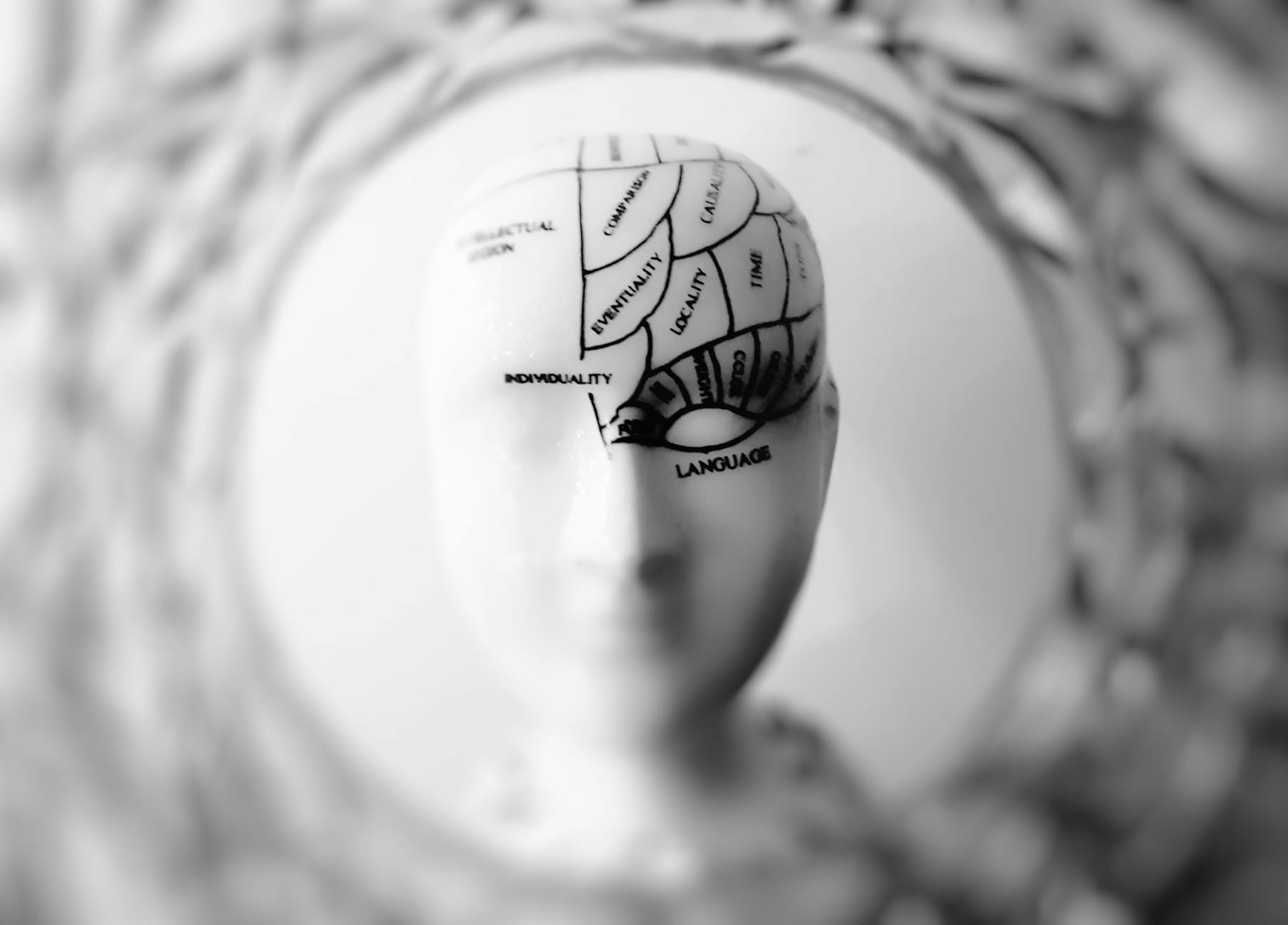
When we’re hurt, the theory goes, pain “signals” that the body has been harmed, and the brain takes action to minimize the damage.
That’s why if we’re walking and we twist our ankle, we stop moving. The pain of the sprain signals the brain to command us to stop. Not walking on an injured ankle means the body’s pain warning signal is working as it should.
The Gate Control Theory maintains that pain signals don’t travel in a straight shot from receptors in the skin to the brain but instead pass through a gate in the spinal cord.
When this gate is wide open, more pain signals get through to the brain, and when it’s closed, fewer signals sneak by.
The gate is usually open to some degree rather than being completely open or shut (such is the criticality of pain signals ultimately reaching the brain).
Chronic Pain: A Door Left Halfway Open–All the Time

Chronic pain is discomfort we feel even after our body has healed. In other words, the body’s warning system is not working properly; pain signals blare even when the body is not being harmed.
The Gate Control Theory says that this may be caused by our “leaving the gate open,” encouraging more pain signals than necessary to travel up the spinal cord and to the brain.
This is why some people experience waves of chronic pain–for months or even years at a time–which is about as unbearable a reality as I can imagine.
The question then becomes: what hacks might we employ to get ourselves out of pain, or at least reduce it so we can reclaim our sense of health and wholeness?
Harnessing Mind and Body to Reduce Pain

The Gate Control Theory offers hope in the form of mental, emotional and physical actions that can narrow, if not close, the gate to pain signals.
Our mind and emotions play a vital role here. If we’re carrying tension or anger, or fixating on our pain, we are opening the gate and waving pain signals through to the brain.
Conversely, by challenging negative thoughts, fostering positive emotions and learning to skillfully manage stress, we close the gate and that, the theory holds, is the key to reducing or eliminating our pain.
It’s no surprise to learn, therefore, that the centers of the brain that experience intense love are the same areas targeted by pain relief drugs.
There’s more. Poor eating habits, lack of exercise and bad posture keep the gate open. Eating healthy whole foods and moving our bodies every day closes it.
This last point really hits home. Think about it: how many active people do you know who complain about chronic pain vs. those living sedentary lifestyles? I ask this not to shame anyone’s habits but rather to contextualize the theory and motivate us to take charge of our health.
The key takeaway is that there are simple actions we can take right now to reduce acute or chronic pain.
Kaitlin Touza, PhD, is a pain psychology fellow at the Center for Pain Relief at Washington Medical Center. Her overview of the Gate Control Theory is a must-watch for anyone in pain–and all of us who want to avoid it.
Closing the Door to Pain: Yoga and Meditation
I’ll always believe that we need both intellectual understanding and practical implementation to reap the health benefits of evolving science, such as this theory on pain.
For example, a balanced Yoga asana practice (read: not too aggressive, not too passive) does wonders to strengthen and lengthen muscles and move joints through their optimal range of motion.
At some point I’ll blog up a challenging–but completely doable, for every body–asana routine comprised of a warm up, sun salutations, standing poses, back bends, some gentle twists and hip openers that I practice, just about every day, to feel strong, open and pain-free. Keep watch for that.
Active Yoga practice is a Godsend for our health and wellbeing, but there’s more we can and should do as time allows.
Meditation is the single greatest tool we have to challenge negative thoughts and lean into the wellspring of calm that for many people lies just below the surface of our subjective reality.
Unsure how to meditate? Here’s a simple practice you can do right now.
- Take a nice seat–whether cross-legged on a prop like a block or pillow–or on a chair
- Place your hands on your thighs, close your eyes and take 5-10 long slow breaths to feel your body and mind relax
- Commit the next five minutes to taking easeful in and out breaths while silently repeating the word nama on each exhale
One translation of nama is “to honor,” and by silently repeating this mantra during meditation we learn to break free from obsessive thinking while literally writing “self-honoring” into our consciousness.
But more to the point: Yoga and meditation help to close the gate to pain signals.
And isn’t living with less (or better still no) pain worth the effort?
Thanks for being here.
P.S. It’s important to note that the Gate Control Theory is but one of several theories to explain how we experience pain. This theory’s not perfect (no theory is) but it’s core tenets line up with my own lived experience involving pain and recovery. For a deeper dive on pain theories click here.


 Chinese Medicine by Day
Leave a comment