
Hey, hello. If you’re new here you may not know that I’m on a mission to heal the world one needle (and a whole bunch of herbs) at a time as a student of acupuncture and Chinese medicine at the New England School of Acupuncture (NESA).
As of this writing I’ve finished my second semester. One and a half weeks from today, I’ll start the third and last semester of year one.
I’m keen to center this blog for now on the acupuncture student experience, the better to help you select the best school and build your confidence as a future healer (with occasional forays into green tea health hacks and geeky yoga moments, natch).
Completing semester II feels anti-climactic because, even though I’m more than eight months into the journey, I still feel like I don’t know anything.
Actually, that’s not entirely true.
I spent two semesters immersed in Traditional Chinese Medicine theory. I completed Point Location I and II, learning the precise anatomical location of 300+ acupuncture points. I’m now done with all things Anatomy & Physiology, Integrated Anatomy and Point Location. Phew.
We covered a lot of ground in the semester that was. I didn’t appreciate just how much until this past weekend when I agreed, along with a second-year student, to meet ~30 prospective students planning to enroll at NESA in the fall.
I saw myself in them. Nervous, jittery, and not entirely sure if acupuncture school is for them. I got lots of questions about the workload, and my study habits; I tried to relay that what works for me may not work for others because everyone’s learning style is different.
If there’s one takeaway message for new students it’s this: you cannot give every class equal criticality, nor can you expect to master the complexity of Chinese medicine in year one.
Let’s break that down.
Maybe you’re a prospective student with a biomed background. Assuming you don’t get Anatomy & Physiology waived, it probably won’t be your most challenging class.
Likewise, gross anatomy–origin, insertion and actions of muscles, and mastery of bony and soft tissue landmarks essential for finding one’s way around a body–might come easier for you.
If so, GREAT. Pay attention in class, cram before exams and go for the gold.
But recognize–as quickly as you can–where you might ease off the gas pedal to devote more time to subjects you likely never encountered, such as Chinese medicine theory.
Skillfully allocating your energy over the course of these long semesters is essential to avoid burnout.
I’d also recommend making use of otherwise idle time to microdose on acupuncture study.
I made use of my two-hour, round-trip commutes to school by recording voice memos detailing channels and points, origin/insertion/actions of muscles and key theory concepts. I listened to those recordings over and over to make optimal use of time that would otherwise be wasted.
Come exam time I could literally hear my voice reciting the information I needed to know. I cannot recommend the “voice memo” study hack enough!
All New Information That’s Also Pretty Much the Same
The second semester is a test of mettle because while it’s natural to want to know everything, you can only pedal as quickly as the curriculum delivery schedule allows.
This is a semester of hanging in there and enduring the second half of your foundational classes.

The upside is that you’ll know the cadence: the quiz-taking, exam content and other homework for most classes, especially Point Location II, Integrated Anatomy II and Anatomy & Physiology II, is about the same as semester I.
But if you’re anything like me you’ll be (silently, hopefully) screaming, why can’t we get to the good stuff already? within the first three weeks of the term.
One tip is to find inspiration wherever you can. Despite the monotony that defines much of semester II, there’s plenty to get excited about.
Assisting in Clinic
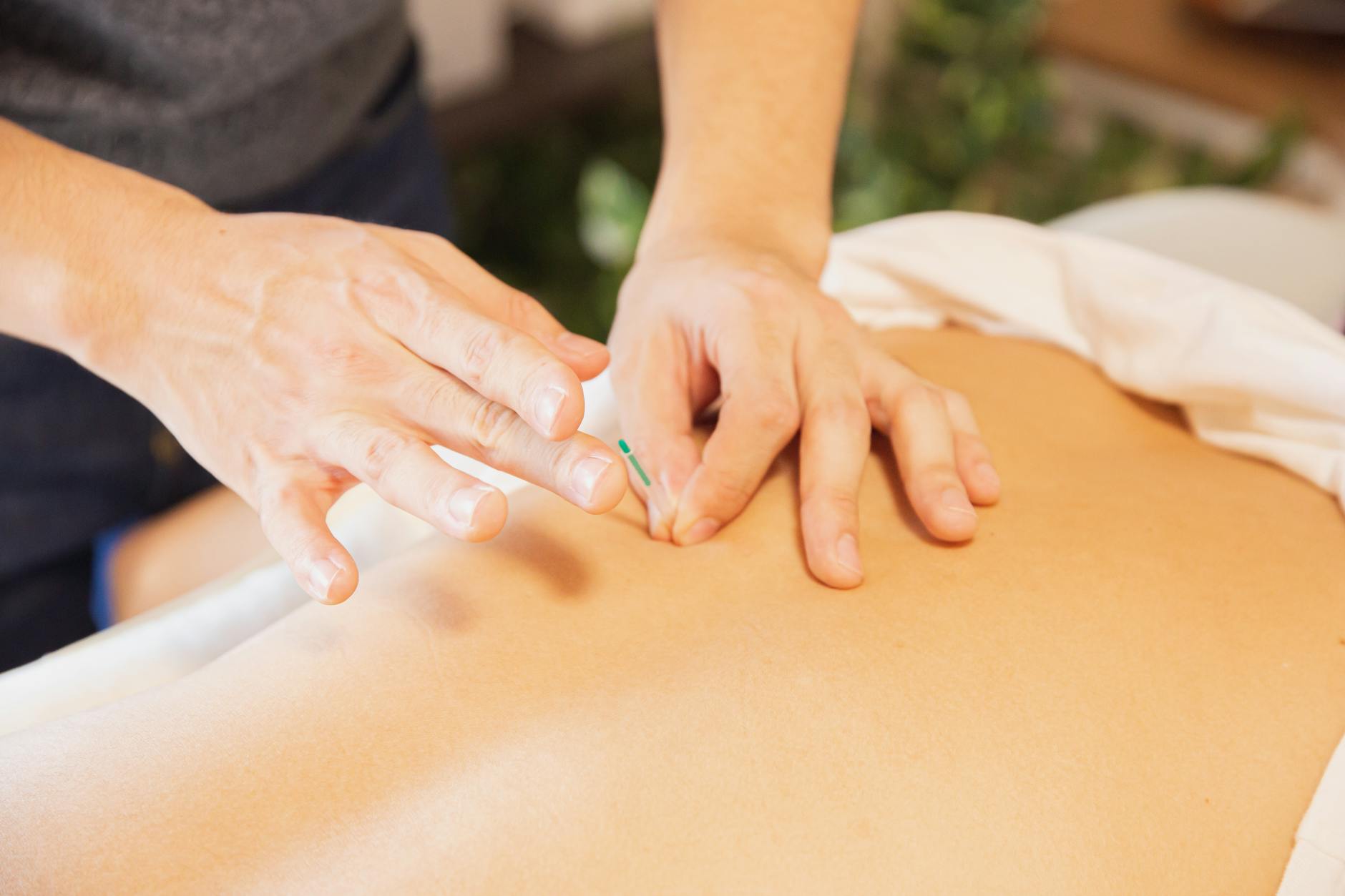
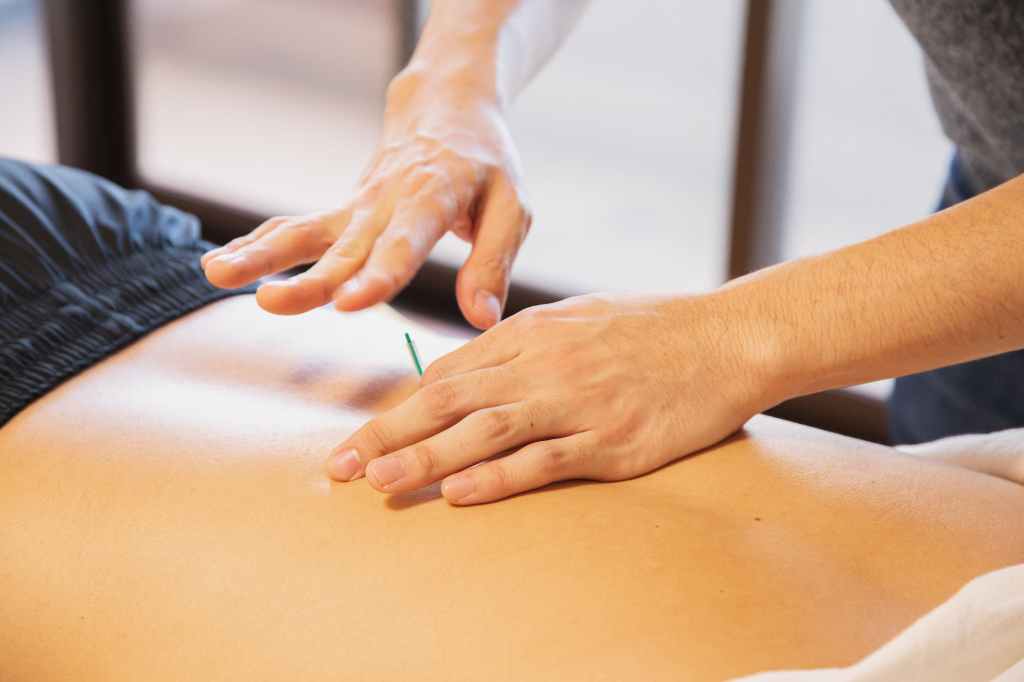
At NESA, students of Acupuncture and Chinese Herbal Medicine spend 30 hours of their second semester (of year I) assisting licensed acupuncturists, in clinic, as they treat patients.
And it’s awesome, because this is where it gets real.
You get to observe licensed healers do the real work of restoring the health of the patients they see: from intake to diagnosis, treatment strategy and implementation.
The number of assisting hours you’ll accrue will vary according to school (and state) requirements. I clocked my required hours this semester and I’ll log another 45 in semester III, and 45 more in the fall.
My best advice is to seek out acupuncturists who’ll let you do… everything (within your scope, of course; remember that as unlicensed students we cannot needle or insert sharps of any kind).
I was fortunate enough to examine many tongues, read lots of pulses, remove hundreds of needles and even perform moxa on real patients.
(And I cleaned a lot of tables, too.)
In short, assisting is where you get both hands-on experience and visibility into what daily life is like as a working acupuncturist. Invaluable!
Looking ahead of Semester III
It’s hard to believe that after next semester I’ll be done with my first year, and I’ll have but two more years remaining.
And after a week of laying about I’m eager to get cracking.
On tap class-wise for semester III: Actions and Effects of Points, Channel Theory, Acupuncture Pain Management, Japanese Acupuncture Style II, Chinese Herbs I and a lot more.
I can’t wait to get moving. And I’ll update as I can.
Meantime, be well!

 Chinese Medicine by Day
Leave a comment