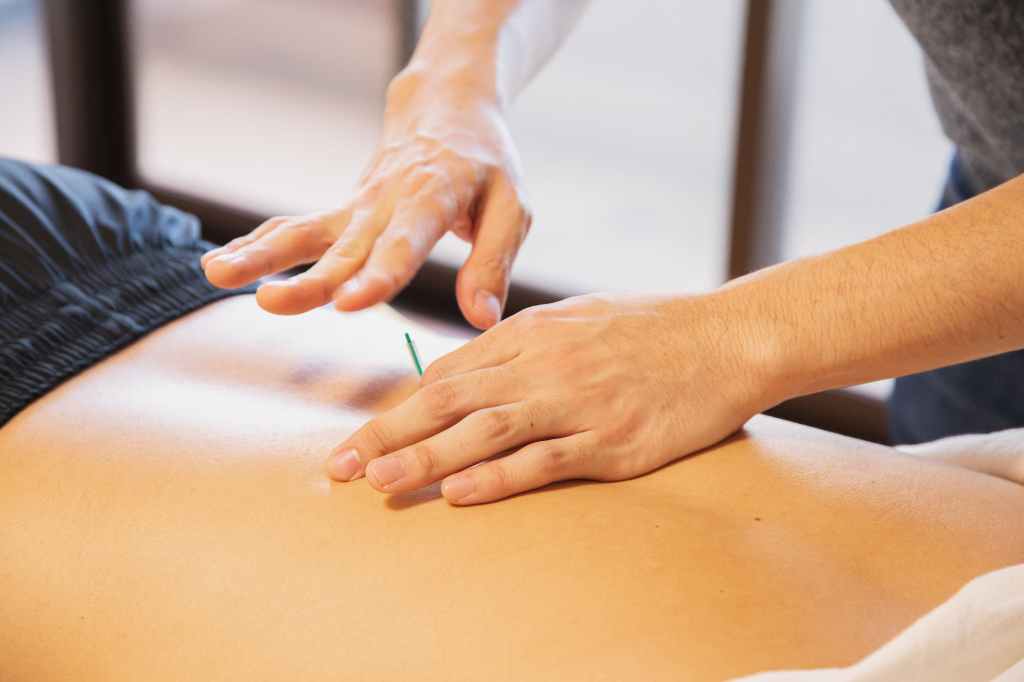
I’ve been asked many times whether I felt prepared for the academic and practical rigor that is acupuncture school, and how I went about selecting the school I now attend.
My hope is that the insights below will help if you’re considering whether to forge a similar path because, let’s face it: the world has enough investors, techies and biotech execs. We need more healers.
If you’re considering Chinese medicine as a career, you’re in the right place, because I’ve mapped out what you must consider ahead of time.
First you should know that acupuncture school may not be what you expect.
Yes, there’s needling and moxa, and a thrilling immersion into the energetics of the human body. But there’s also a ton of bioscience, including anatomy & physiology, biochemistry, physics and integrated anatomy.
Acupuncture school is akin to steeping in Eastern medicine while micro-dosing on Western science at the same time!
But you’re probably here because this is the experience that you want. Good! Here’s the advice I wish I’d been given before embarking on the path:
Step 1: Know Your Why
I once had a boss tell me to “always run toward a job, not from a job.” It’s the best professional advice I’ve ever received and I’d urge anyone considering acupuncture school to lean into this simple recommendation.
Don’t enroll in acupuncture school simply because you’re dissatisfied with whatever it is you’re doing now. This is a calling, not a side gig.
And there’s no way around it: acupuncture school is difficult, expensive and all-consuming. The early goings will probably run counter to your expectations, so much so that your “why” can easily shift to “doubt.”
You must deeply consider whether a career as a front-line healthcare worker is for you. Questions to ruminate on right away include:
Is my current job in line with my core values? If not, why would a career as a healer be more in line with my passion and purpose?
Does my current work bring less light to the world vs. more?
Can I realistically devote myself full-time to school for the next three years?
I’ve written previously about my intention to understand (and own) my why, and I promise it’s okay to not be totally certain that you’re doing the right thing. My advice? Mull the big questions and then…. Leap without looking.
Step 2: Envision Your Post-School Life
Many of my fellow acupuncture students already work in healthcare. My cohort includes nurses, physical therapists and dental hygienists. We also have scientists, massage therapists and yoga instructors.
But none of us are acupuncturists–yet. And that means our professional lives will change dramatically after graduation.
In my opinion, the time to prepare for that change is now. Envisioning your future as a healer will a) keep you motivated when school gets difficult and doubt creeps in and b) help you set realistic expectations for how and where you’ll work–and how much you may earn–when you’re done.
The good news is that professional opportunities for skilled acupuncturists are expanding rapidly. Now’s the perfect time to start imagining how your goals and skills may translate in the marketplace.
Maybe you’ll want to work as an associate in an established practice. Or as a hospital acupuncturist. Or maybe you’re better suited to a career in research vs. treating patients in clinic. You might also work in a high-end spa. Or on a cruise ship.
Or, if you’re like me, you’ll want to flex your entrepreneurship muscles by opening your own practice upon graduation. The point is that there are many more opportunities for acupuncturists today than there were even 10 years ago.
It’s not necessary to know exactly what you plan to do upon graduation but it’s important that you at least explore which employment sphere best fits your interests and skills.
Step 3: Figure Out the Money Part
Acupuncture school is expensive. And the costs are only going up. You should expect to pay upwards of $100,000 for a three-year acupuncture and Chinese medicine program at an accredited school.
If you’ve got that much set aside, you’re probably going to be fine and can pay as you go. Alas, the rest of us need to get creative.
Odds are, you’ll qualify for student loans. But know that federal, post-graduate loan programs are unsubsidized–meaning the loans you take out during school start accruing interest while you’re in school.
The mere thought of going back into education debt can be nauseating for mid-life professionals who already spent years paying down student loan debt.
But where there’s a will, there’s a way.
If you have a full-time job you might consider whether going part-time is an option. This will dramatically reduce your salary but it may allow you to cash-flow school, or at least significantly reduce any loan burden you take on (full disclosure: this is how I’m paying for school).
There are other ways to raise cash for school, from credit union or bank loans that might offer more favorable rates, to asking relatives for help, and seeking out every scholarship for which you might qualify.
Lastly, make sure to apply early! I applied nearly a year before the fall 2023 term began and, as a result, my school offered me a (not insignificant) amount of aid in the form of a merit-based scholarship.
How to finance school is perhaps the biggest question you’ll face, so my advice is to start thinking this through now.
Step 4: Select the Right School
You may be tempted to pick the first school you come across online (and that may work out beautifully) but I’d encourage you to go a few steps further in your evaluation as the quality of your education is crucial to your future success. A few things to consider:
Location. You’ll be traveling to and from school multiple times per week. Make sure the commute is one you can sustain for the long haul, especially if you’re balancing school with work and/or family obligations.
Accreditation. Don’t even think of attending a school not accredited by the Accreditation Commission for Acupuncture and Herbal Medicine (ACAHM). The ACAHM is recognized by the U.S. Department of Education as the specialized accreditation agency for acupuncture and Chinese herbal medicine schools and maintains a database of accredited programs that you can search by school name, program type or state. This database is a great place to start your search for schools near you.
Attending an accredited college is essential as this enables you to sit for required licensing exams after you graduate.
In-person vs. hybrid. There’s a proliferation of online Chinese herbal medicine and acupuncture programs that have popped up following the pandemic. Be wary. Acupuncture is a physical medicine. You need to see and touch many bodies to gain the confidence and skills required for safe and effective needling and other therapies.
Make sure the school you choose prioritizes in-class learning for critical subjects including integrated anatomy, point location, needling & moxa, and adjunctive therapies such as gua sha.
Also, make sure your school of choice operates a community acupuncture clinic in which you can ultimately deliver care to patients as a third-year intern.
Finally, as mentioned above: apply early to improve your odds of receiving some level of financial aid.
Step 5: Get the Little Stuff Out of the Way
If you’ve made it this far you’ve probably got a good sense for which school you plan to attend. Good!
Remember that your first semester of acupuncture school will be intense, scary and confusing. This is totally normal. But you can eliminate some of the first-year stress by taking care of a few prereqs before starting:
CPR for Healthcare professionals. Enroll in either an in-person or hybrid (in-person and online) training, and save your certification. You’ll need it prior to starting school.
Immunizations. Secure the vaccine requirements from your school’s health office and schedule an appointment with your GP for any shots you’ll need before the start of term.
Order your scrubs.
Hit the books! If you’re like me, you may wanna read ahead. There’s nothing more confidence-building, IMO, than good preparation. I’d recommend purchasing the following books (which I can virtually guarantee will be required reading for your program) that you can peruse in the weeks before your first semester begins.
The Foundations of Chinese Medicine (Third Edition) by Giovanni Maciocia
A Manual of Acupuncture by Peter Deadman
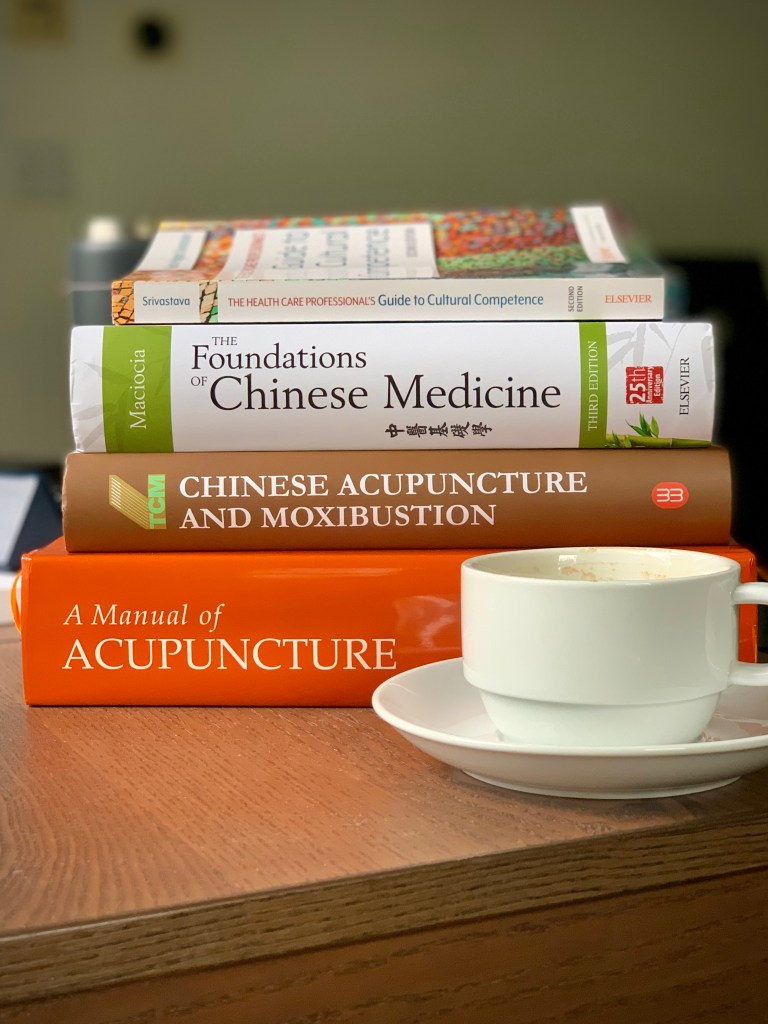
Fellow acupuncture students (and working acus): drop a comment below with additional recommendations that may help others on the path!


 Chinese Medicine by Day
Leave a comment