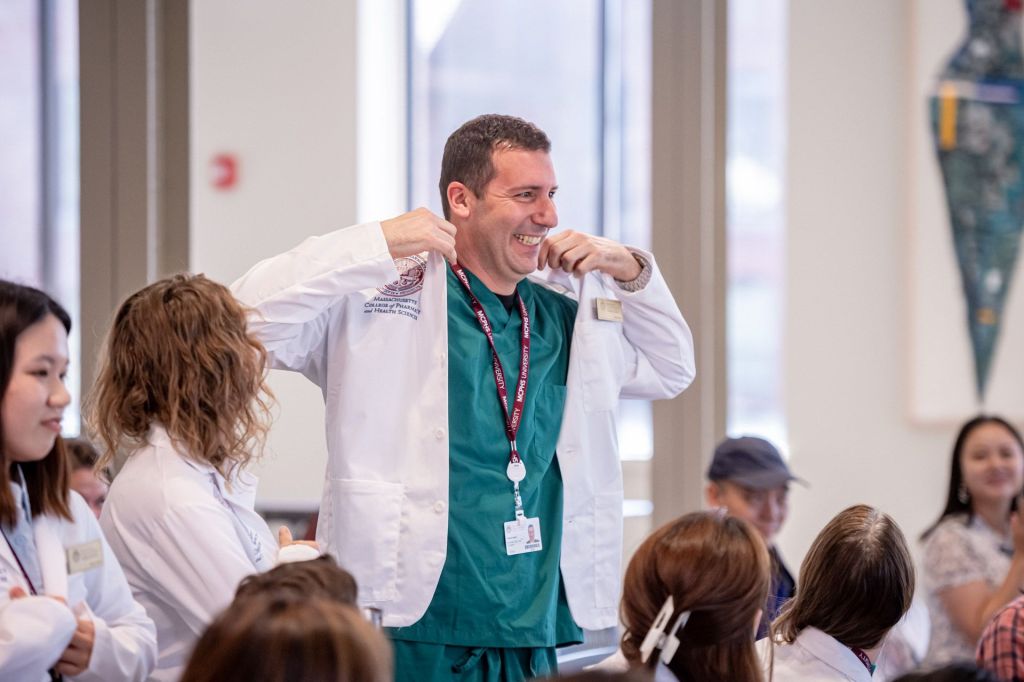
Truth be told, it’s been over for two weeks–and I’m on week two of a three-week hiatus before we all head back for Season II on Jan. 8.
I’ve been asked countless times by friends and family whether acupuncture school is what I thought (and hoped) it would be.
My answer is that it is. And it isn’t. It’s both–and it’s neither.
I embarked on this journey because I wanted to draw a box around the 20+ years I’ve spent thinking about, writing about and dreaming about health and healing. I want to shift my professional life away from public relations and toward Chinese medicine. I want to help people heal. I want people to thrive. That’s my goal.
Remembering that goal kept me engaged as the semester wore on and classes got difficult. Dreaming about the practice I’ll open one day–and the patients I’ll meet who (I hope with all my heart) will regain their health and move past pain–is the fuel I need to maintain this balancing act of full-time school and part-time work.
So, in more ways than not, I feel like I’m exactly where I should be. I try to never lose sight of how privileged I am–that at age 48 I have the luxury of stepping back from a safe career to pursue a long-time passion. I am truly blessed.
That said, I’d be lying if I said it’s all perfect and that I wouldn’t change a thing or that–sin of sins–I haven’t had doubts about whether this is for me.
Observing in the Clinic: An Eye Opener
Doubt found its way to me during my first clinic rotation (at NESA we start observing patient treatments performed in the treatment center by third-year interns during our first semester) when patients rattled of veritable shopping lists of maladies–some of which I’d never heard of… none of which I imagined I’d ever have answers for. And I couldn’t help but “take on” their pain and anxiety.
I asked myself many times over during these shifts: do I really want to be subjected to that? Will repeated exposure to patient complaints affect my health? Is my desire to be a healer rooted in service to others–or my own ego? These questions plagued me, episodically, during the first semester.
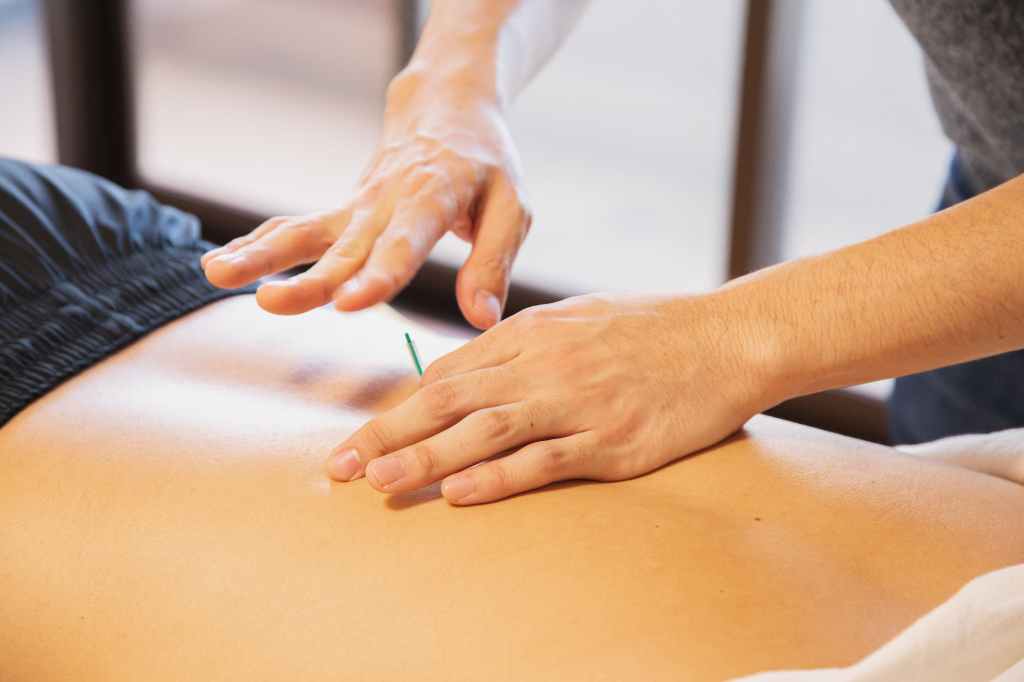
I shared my concerns with interns I shadowed (in between re-stocking needles, sanitizing tables and readying the room for the next patients) and most conveyed the same message: you have to create healthy boundaries by reminding yourself that “you are you, the patient is the patient–you’re here to help them but you are not them.”
Honestly I don’t know how to create such a boundary for myself. Fortunately I have two years before I begin to treat patients in clinic, so I have loads of time to practice this kind of… compassionate dissociation?
Be Prepared to Memorize, Memorize, Memorize
There’s no way around it. The first semester is all about rote memorization. Chinese medicine is so complex, vast and old that the totality of the medicine makes zero sense to newbies (or at least to this newby).
There are no obvious patterns or macro frameworks to cling to in the early going; you just have to memorize what you can (and hope you retain enough of it).
In semester I we learned the precise anatomical location for more than 100 acupuncture points across the Lung, Pericardium, Heart, Large Intestine, Small Intestine, Spleen, Sanjiao, Governing and Conception Vessels (plus more than a dozen extra/special points).
I spent hours, in class and out, refining cun measurement techniques, memorizing locational descriptions, palpating bony, muscle and connective tissue landmarks, and applying stickers over points on my body–and every other body around me.
Peter Deadman’s Manual of Acupuncture (and accompanying app) are essential resources. If you’re considering acupuncture school I’d advise buying the book (or at least the app) right away. I also found TCM instructor–and all-around interesting guy Nicholas Duchnowski’s YouTube videos–to be enormously helpful; I watched his point location offerings over and over again in the run-up to exams. And his Website, TCMStudy.net, is a fount of enormously helpful information, most of which is free to access.
We also intensely studied living anatomy. A lot. I learned the insertion, origin and actions of major muscles including the trapezius, serratus anterior, latissimus dorsi, levator scapulae, deltoid, pectoralis, bicep, tricep and forearm flexors and extensors.
I’ve also become (somewhat) proficient at palpating spinous processes, which is essential for acupuncture because so many points are located along the cervical, thoracic and lumbar spine. Integrated Anatomy is intense, and intensely interesting. An enduring curiosity about the body’s gross anatomy is essential if you want to study acupuncture.
Another class that I enjoyed–but found intimidating and inscrutable in equal measure–is TCM Theory. Again, while broad patterns and structures exist in Chinese medicine, they’re too complex for beginners. So rote memorization is the game here: from the qualities of Yin and Yang, to the Qi mechanism and TCM pathology diagnosis–TCM Theory is fascinating. And confusing.
Giovanni Maciocia’s The Foundations of Chinese Medicine: A Comprehensive Text (3rd Edition) is this class’s bible. If you’re considering acupuncture school I’d advise getting it now and studyin’ up.
And for all of you hardcore science nerds, you’ll also get heavy does of biochemistry and anatomy & physiology. I squeaked by A&P I, and am slightly dreading A&P II (with lab!). Le sigh.
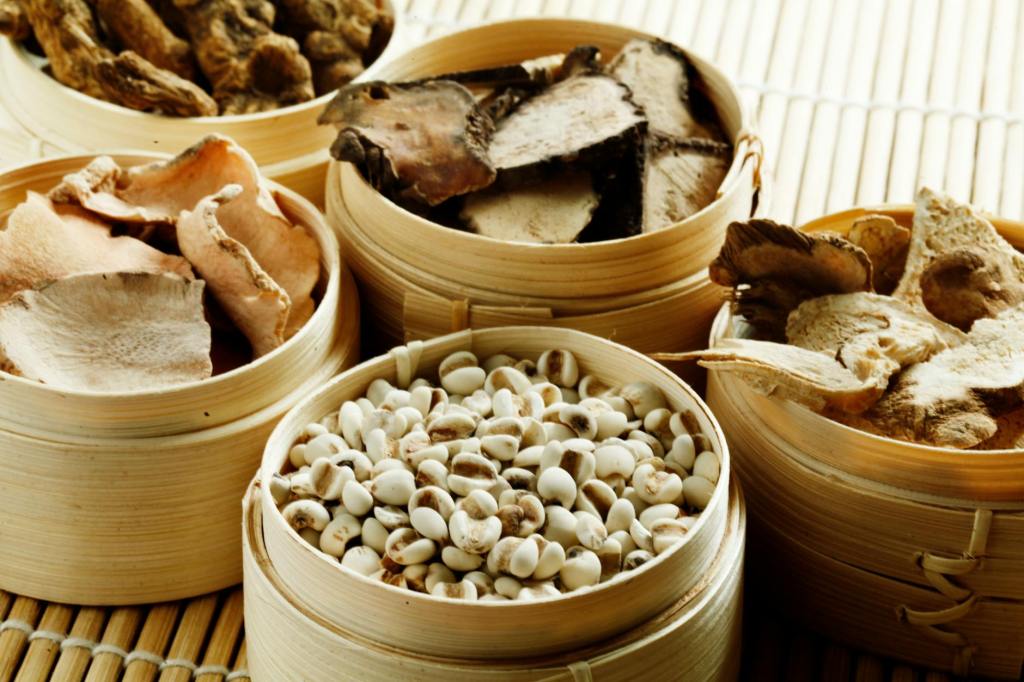
We start again on January 8 and the second semester will look a lot like the first: Point Location II, Integrated Anatomy II, A&P II, and so on. But we also have introductory classes spanning Chinese herbal medicine and Japanese style acupuncture, both of which I’m looking forward to. I’ll share my take on these once we get going, and as I have time.
For now, I’m going to enjoy what’s left of the break and do what I love: lots of yoga and pranayama, exercise, cooking, baking and eating, with as much time outside as I can squeeze in.
And I’m wishing you and yours a very happy new year!

 Chinese Medicine by Day
Leave a comment